
Condensation is one of the most common moisture problems inside shipping containers.
A sea can can appear completely watertight from the outside and still develop significant moisture inside. In many cases, the problem is not a leaking roof or damaged door seal. It is condensation forming on the interior steel surfaces.
This issue is sometimes referred to as container rain because moisture collects on the ceiling and eventually drips onto the contents below.
If left unmanaged, condensation can damage stored goods, promote mold growth, cause rust, damage flooring, and create persistent musty odours.
Understanding why condensation happens and how to control it can help protect both the container and everything stored inside it.
What Causes Condensation in a Shipping Container?
Condensation forms when warm, humid air comes into contact with a colder surface.
Shipping containers are especially vulnerable because they are primarily made of steel.
Steel changes temperature quickly.
During the day, the container may become warm as the sun heats the exterior. At night, the steel can cool rapidly. If the air inside the container contains enough moisture, that water vapour can condense on the colder ceiling and walls.
The same process happens when moisture forms on the outside of a cold drink.
Inside a sea can, however, that condensation can become a serious problem.
What Is Container Rain?
Container rain happens when condensation forms on the ceiling of a shipping container and begins dripping downward.
The droplets can fall directly onto:
- Boxes
- Furniture
- Tools
- Machinery
- Electronics
- Clothing
- Building materials
- Paper records
- Inventory
In some cases, the amount of moisture can become significant enough that it looks like the container has a roof leak.
This can make diagnosing the problem confusing.
If you cannot find any obvious holes, damaged seams, or leaking door seals, condensation may be responsible.
What Causes High Humidity Inside a Sea Can?
Several things can increase humidity inside a shipping container.
Wet or Damp Items
Items placed into the container while they are still damp can release moisture into the air.
Examples include:
- Wet lumber
- Damp furniture
- Vehicles
- Machinery
- Landscaping equipment
- Building materials
- Clothing
- Cardboard boxes
Even a small amount of trapped moisture can become a problem inside an enclosed container.
Moist Ground
If a container is sitting on damp ground, moisture may contribute to elevated humidity around and underneath it.
Poor site drainage can make the problem worse.
Frequent Door Opening
Opening the doors allows outside air into the container.
If the outside air is humid, that moisture becomes trapped once the doors are closed.
Temperature Changes
Rapid changes between daytime and nighttime temperatures can cause repeated condensation cycles.
This is especially common in climates with large temperature swings.
Lack of Ventilation
An airtight or poorly ventilated container may trap moisture inside.
Without adequate airflow, humidity can build over time.
What Does Shipping Container Condensation Look Like?
Condensation does not always appear as obvious dripping water.
Common signs include:
- Droplets on the ceiling
- Moisture on the walls
- Damp flooring
- Wet cardboard boxes
- Musty smells
- Mold or mildew
- Rust forming inside
- Damp fabrics
- Water stains
- Corrosion on metal equipment
- Moisture appearing without an obvious leak
If the problem seems worse in the morning or after cold nights, condensation is a strong possibility.
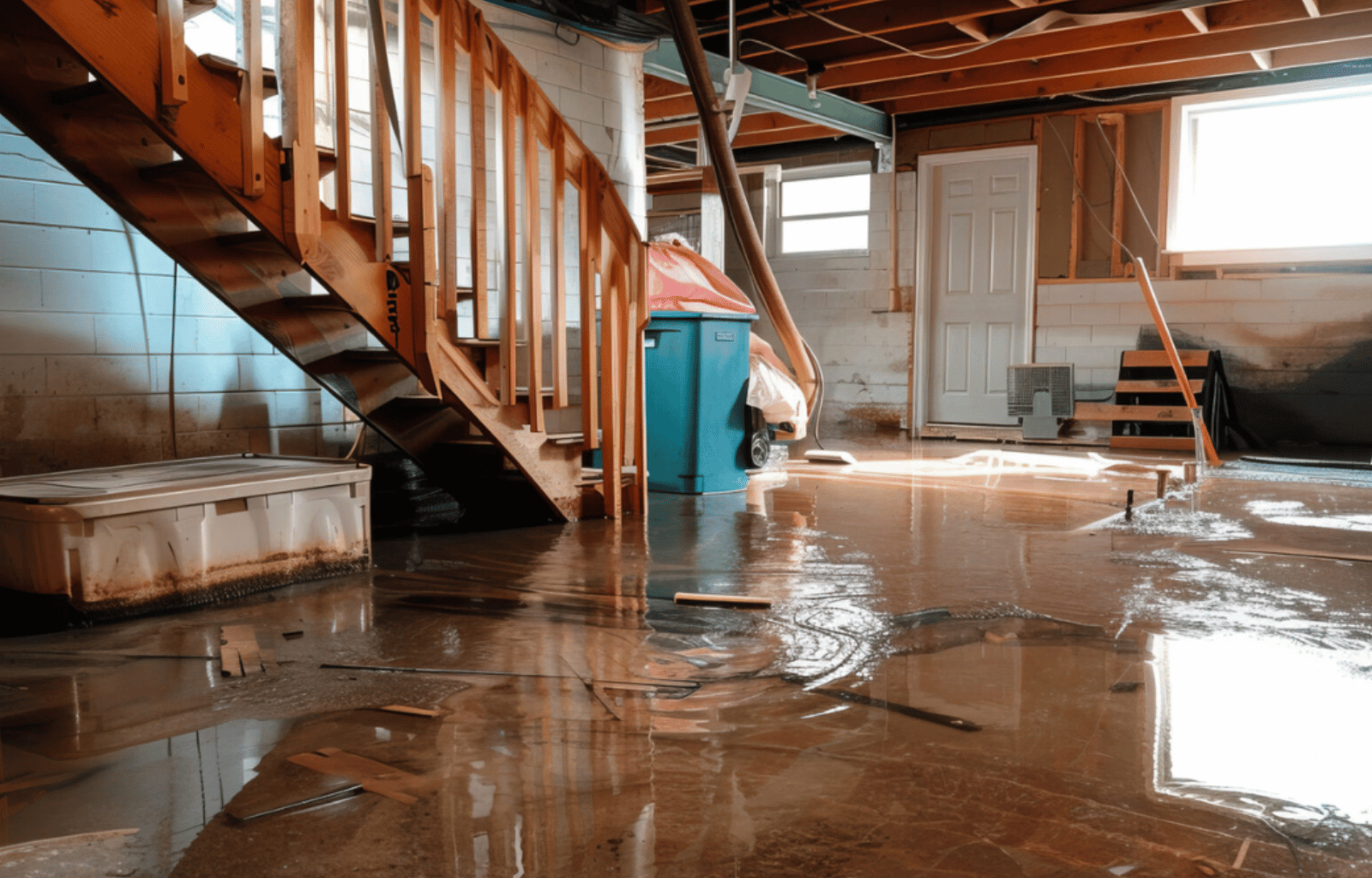
Can Condensation Cause Water Damage?
Yes.
Repeated condensation can cause the same types of problems as other forms of water intrusion.
The damage may happen gradually, which can make it easier to overlook.
Mold and Mildew
Mold requires moisture and an organic food source.
While the container itself is mostly steel, the materials inside often provide everything mold needs.
Common affected materials include:
- Cardboard
- Wood
- Paper
- Furniture
- Fabrics
- Drywall
- Insulation
Once mold develops, simply reducing humidity may not be enough. Damaged materials may also need to be cleaned or removed.
Rust and Corrosion
Constant moisture exposure can accelerate corrosion.
This can affect:
- Container walls
- Roof panels
- Door hardware
- Hinges
- Locks
- Stored machinery
- Tools
- Equipment
Over time, corrosion can weaken steel and potentially create future leak points.
Damaged Flooring
Many shipping containers use heavy-duty wood flooring.
Repeated exposure to moisture can cause the floor to:
- Swell
- Warp
- Delaminate
- Develop mold
- Become soft
- Hold persistent odours
Moisture can also remain in the wood long after the air inside feels dry.
Damage to Stored Goods
Condensation can be especially costly when containers are used for inventory or equipment storage.
Moisture can damage:
- Electronics
- Packaging
- Metal products
- Automotive parts
- Documents
- Clothing
- Furniture
- Construction materials
Even materials that do not absorb water can suffer from corrosion or surface damage.
Is Condensation the Same as a Leak?
No.
A leak involves water entering from outside the container.
Condensation develops from moisture already present in the air inside.
The two problems can look similar.
Before making repairs, inspect the container carefully.
Check:
- Roof panels
- Welds and seams
- Door gaskets
- Rust spots
- Modified openings
- Windows
- Vents
- Floor edges
If everything appears watertight but moisture continues to form, humidity and condensation are likely the cause.
How to Stop Condensation in a Shipping Container
There is no single solution that works for every sea can.
The best approach depends on the climate, the container's use, and what is being stored inside.
Improve Ventilation
Ventilation allows humid air to escape.
Options may include:
- Passive wall vents
- Roof vents
- Turbine vents
- Mechanical exhaust fans
- Powered ventilation systems
Cross-ventilation is generally more effective than relying on a single vent.
However, ventilation may not solve the problem in consistently humid climates because the outside air itself may contain significant moisture.
Use a Dehumidifier
A dehumidifier can be one of the most effective ways to control moisture inside an enclosed shipping container.
It works by removing water vapour from the air.
This can be particularly useful when the container stores:
- Furniture
- Documents
- Electronics
- Tools
- Equipment
- Inventory
The unit should be appropriately sized for the container and operating conditions.
You will also need to consider how collected water will be drained or emptied.
Add Insulation
Insulation helps reduce the temperature difference between the steel shell and the interior air.
This can reduce the likelihood of water vapour condensing on the walls and ceiling.
Common insulation options include:
- Spray foam
- Rigid foam
- Insulated panels
- Mineral wool
- Other container-compatible systems
The insulation system needs to be installed correctly.
Poor installation can create hidden areas where moisture becomes trapped behind insulation.
Use Moisture Absorbers
Desiccants and moisture absorbers can help control smaller amounts of humidity.
These products may be useful for:
- Short-term storage
- Seasonal storage
- Light moisture conditions
- Small volumes of stored goods
They are generally less effective than dehumidification when the container has a significant moisture problem.
Keep Wet Materials Out
Do not put wet or damp materials into the container whenever possible.
Allow items to dry before storage.
This is particularly important for:
- Lumber
- Outdoor furniture
- Landscaping equipment
- Vehicles
- Machinery
- Fabric
- Cardboard
A surprising amount of moisture can be introduced by damp materials.
Improve Site Drainage
Make sure rainwater does not collect around the container.
The site should allow water to drain away from the sea can.
Possible improvements include:
- Gravel
- Proper grading
- Drainage channels
- Concrete pads
- Raised supports
Reducing standing water around the container can help create a drier environment overall.
Consider Climate Control
Some shipping container applications require more precise environmental control.
A climate-controlled system may be appropriate when storing sensitive materials such as:
- Electronics
- Documents
- Medical supplies
- Valuable inventory
- Temperature-sensitive equipment
Heating, cooling, ventilation, and dehumidification can all be combined depending on the application.
How Do You Dry Out a Container With Heavy Condensation?
If condensation has already caused significant water buildup, start by removing affected contents.
Then:
- Remove standing water.
- Separate wet materials from dry materials.
- Increase airflow.
- Run dehumidifiers.
- Check wood flooring and other porous materials.
- Inspect for mold.
- Continue drying until moisture levels return to normal.
Do not assume the container is dry just because the walls no longer look wet.
Wood, cardboard, insulation, and other materials may still contain moisture.
What If Mold Has Already Developed?
Mold may require additional remediation.
Small areas may sometimes be manageable, but larger contamination can be more difficult.
The affected material, size of the problem, and source of the moisture should all be considered.
If mold has spread into insulation, wall finishes, flooring, or large amounts of stored property, professional water damage or mold remediation may be appropriate.
The underlying condensation problem must also be corrected, or the mold may return.
What If the Container Keeps Having Moisture Problems?
Recurring condensation can sometimes indicate that the container is simply not suited to its current use without significant modifications.
If the sea can also has:
- Severe corrosion
- Damaged flooring
- Poor door seals
- Multiple leaks
- Extensive mold
- Structural deterioration
it may be worth comparing the cost of continued repairs with the cost of replacing the container entirely.
Looking for a Sea Can for Sale?
If your current shipping container has recurring condensation, significant corrosion, major leaks, damaged flooring, or extensive water damage, replacing it may be more practical than continuing to repair it.
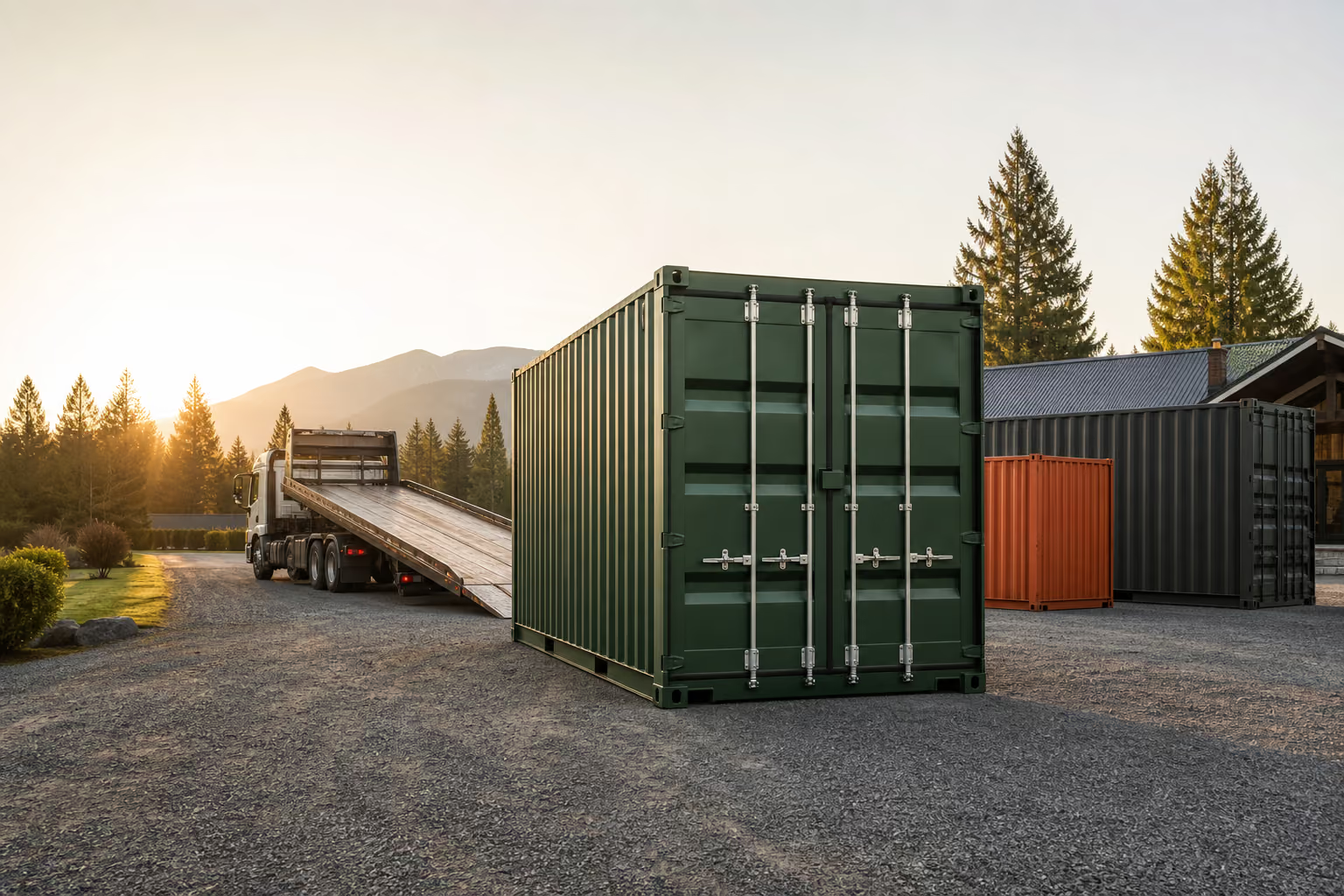
If you are looking for a sea cans for sale or shipping container for sale in Canada, visit SeaCansForSale.ca.
SeaCansForSale.ca helps connect buyers with shipping container suppliers serving communities across Canada. Whether you are looking for a used sea can for storage, a newer container for commercial or construction use, or a shipping container for a conversion project, the platform makes it easier to find available containers in your area.
When comparing used containers, check carefully for signs of previous moisture and water damage, including:
- Interior rust
- Water staining
- Roof corrosion
- Damaged door seals
- Mold or mildew
- Musty odours
- Soft or damaged flooring
- Previous patches
- Visible holes
- Poorly sealed modifications
A cheaper container is not necessarily a better deal if it requires extensive repairs as soon as it arrives.
Starting with a sea can in better overall condition can reduce the risk of leaks and structural water damage, although proper ventilation and humidity control are still important for preventing condensation.
Can a New Shipping Container Still Get Condensation?
Yes.
Condensation is not limited to old or damaged containers.
A newer container can be completely watertight and still develop moisture inside because condensation is primarily related to temperature and humidity.
That means buying a newer container may help eliminate leaks and corrosion, but ventilation and humidity control may still be necessary.
When Should You Call a Water Damage Restoration Company?
Professional help may be appropriate if condensation has caused:
- Significant standing water
- Widespread mold
- Saturated flooring
- Wet insulation
- Damaged inventory
- Persistent musty odours
- Hidden moisture
- Extensive interior damage
A restoration company can help identify wet materials, remove moisture, dry affected areas, and determine whether additional remediation is required.
How to Prevent Container Rain Long Term
The most effective long-term strategy is usually a combination of moisture control methods.
Depending on the container, that may include:
- Proper ventilation
- Insulation
- Dehumidification
- Improved drainage
- Keeping wet materials outside
- Monitoring humidity
- Regular inspections
You may also want to use a humidity monitor inside the container.
This can help you identify rising moisture levels before condensation becomes severe enough to damage your belongings.
The Bottom Line
Shipping container condensation is a common problem, but it should not be ignored.
When humid air comes into contact with cold steel surfaces, water droplets can form on the walls and ceiling. If enough moisture accumulates, it can create container rain and cause mold, rust, damaged flooring, and ruined belongings.
The best way to prevent condensation is to control moisture inside the sea can.
Ventilation, insulation, dehumidification, drainage, and proper storage practices can all help.
If significant water damage has already occurred, address both the damage and the source of the moisture. If an older container has extensive corrosion, recurring leaks, and ongoing condensation problems, replacing it with a better-condition sea can may ultimately be the more practical long-term solution.
For buyers searching for a replacement, SeaCansForSale.ca can help you find sea cans and shipping containers available from suppliers across Canada.
Easy steps to create a color palette
Lorem ipsum dolor sit amet, consectetur adipiscing elit lobortis arcu enim urna adipiscing praesent velit viverra sit semper lorem eu cursus vel hendrerit elementum morbi curabitur etiam nibh justo, lorem aliquet donec sed sit mi dignissim at ante massa mattis.
- Neque sodales ut etiam sit amet nisl purus non tellus orci ac auctor
- Adipiscing elit ut aliquam purus sit amet viverra suspendisse potent
- Mauris commodo quis imperdiet massa tincidunt nunc pulvinar
- Excepteur sint occaecat cupidatat non proident sunt in culpa qui officia
What is a color palette?
Vitae congue eu consequat ac felis placerat vestibulum lectus mauris ultrices cursus sit amet dictum sit amet justo donec enim diam porttitor lacus luctus accumsan tortor posuere praesent tristique magna sit amet purus gravida quis blandit turpis.

Don’t overspend on growth marketing without good retention rates
At risus viverra adipiscing at in tellus integer feugiat nisl pretium fusce id velit ut tortor sagittis orci a scelerisque purus semper eget at lectus urna duis convallis porta nibh venenatis cras sed felis eget neque laoreet suspendisse interdum consectetur libero id faucibus nisl donec pretium vulputate sapien nec sagittis aliquam nunc lobortis mattis aliquam faucibus purus in.
- Neque sodales ut etiam sit amet nisl purus non tellus orci ac auctor
- Adipiscing elit ut aliquam purus sit amet viverra suspendisse potenti
- Mauris commodo quis imperdiet massa tincidunt nunc pulvinar
- Adipiscing elit ut aliquam purus sit amet viverra suspendisse potenti
What’s the ideal customer retention rate?
Nisi quis eleifend quam adipiscing vitae aliquet bibendum enim facilisis gravida neque euismod in pellentesque massa placerat volutpat lacus laoreet non curabitur gravida odio aenean sed adipiscing diam donec adipiscing tristique risus amet est placerat in egestas erat.
“Lorem ipsum dolor sit amet consectetur adipiscing elit, sed do eiusmod tempor incididunt ut labore et dolore magna aliqua enim ad minim veniam.”
Next steps to increase your customer retention
Eget lorem dolor sed viverra ipsum nunc aliquet bibendum felis donec et odio pellentesque diam volutpat commodo sed egestas aliquam sem fringilla ut morbi tincidunt augue interdum velit euismod eu tincidunt tortor aliquam nulla facilisi aenean sed adipiscing diam donec adipiscing ut lectus arcu bibendum at varius vel pharetra nibh venenatis cras sed felis eget.