
Make the Decision Material by Material
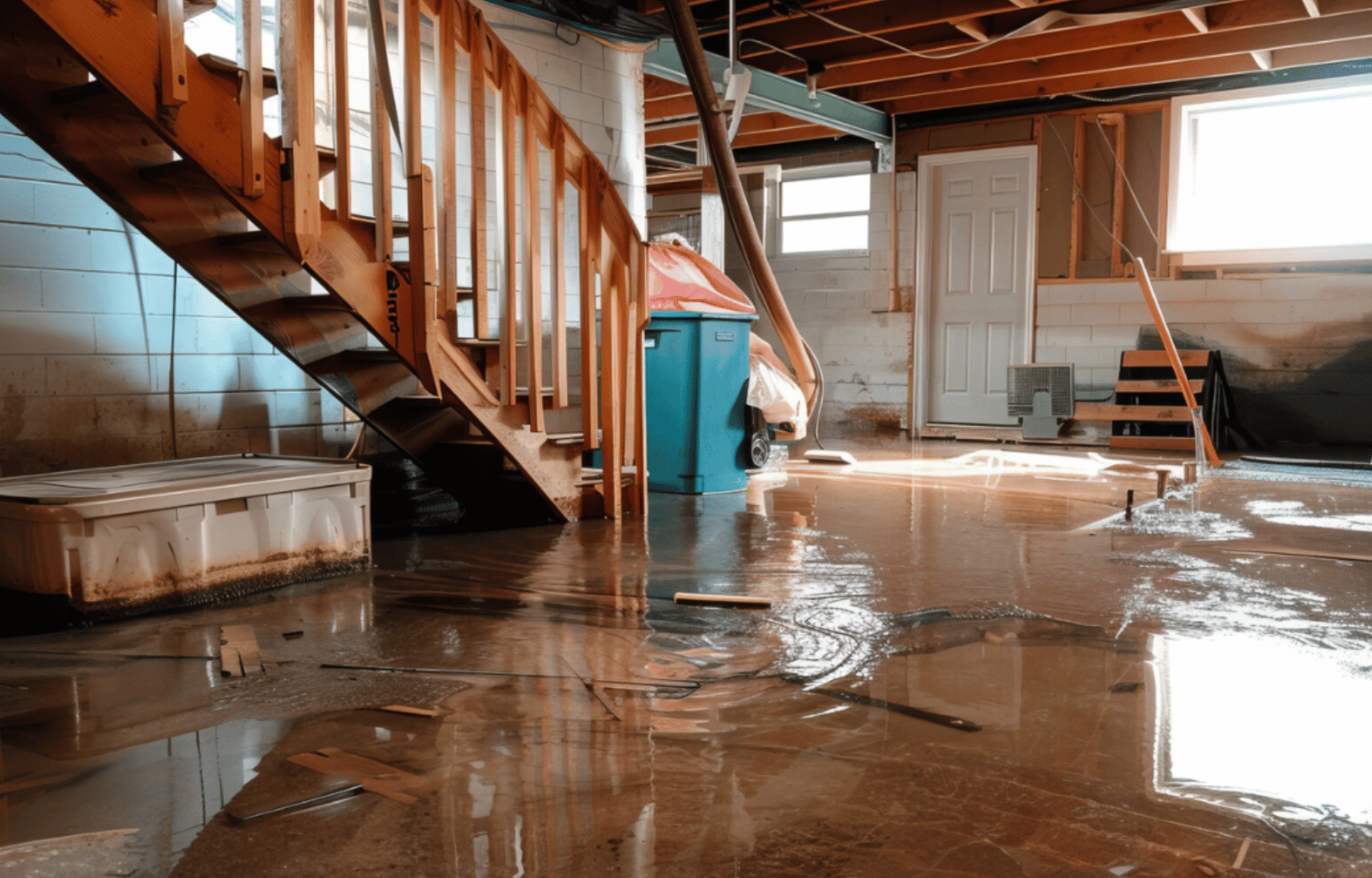
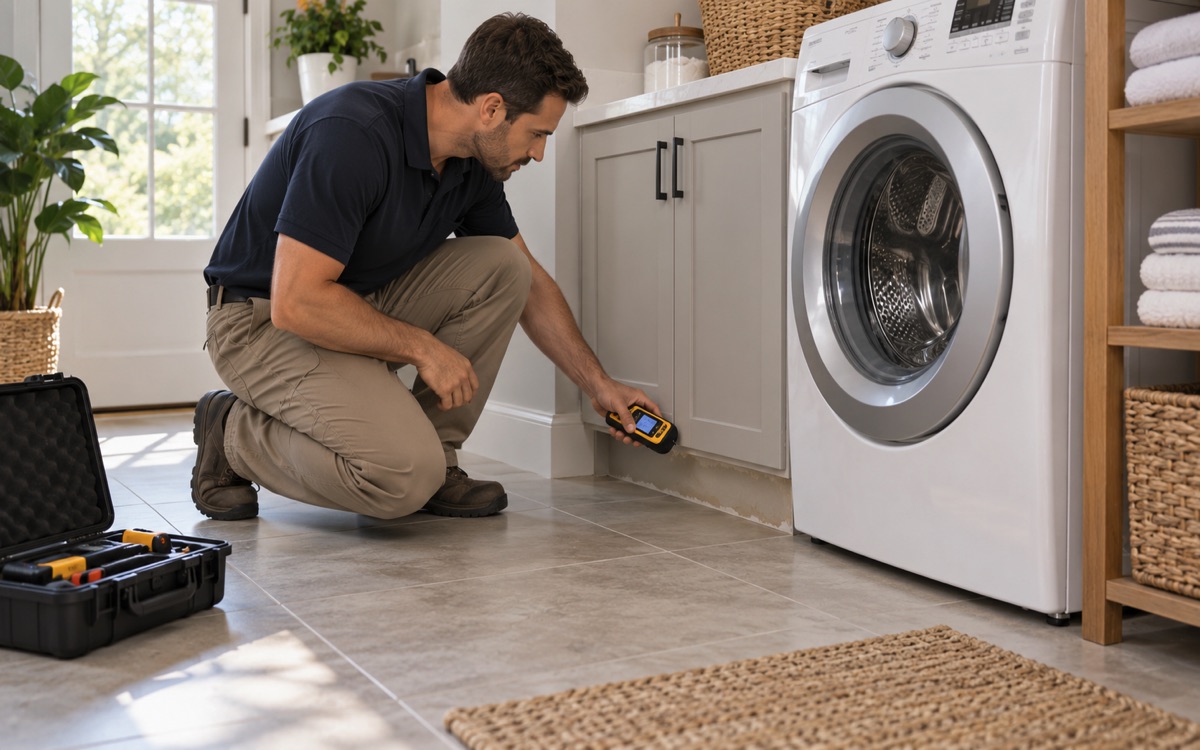
After a water leak, it is tempting to choose one approach for the whole room. Keep everything and dry it, or remove everything and start again. A useful restoration plan is more specific. The contractor should consider each affected material, its condition, the water involved, and whether the assembly can be cleaned and dried effectively. That approach explains why adjacent surfaces may receive different recommendations.
A decision to keep a material also needs a practical plan. How will the wet area be reached? How will progress be checked? What condition would trigger removal instead? Asking those questions makes salvage a defined course of work rather than a hope that the damage will disappear.
Consider the Water Source and Exposure History
A plumbing supply leak and water entering from an outdoor flood present different cleanup concerns. The original source matters, along with what water contacted on its way through the building. If the source is uncertain, describe that uncertainty to the restoration contractor instead of labeling the water safe because it looks clear.
The exposure history also affects the assessment. Explain when the problem was first noticed, whether earlier dampness occurred, and what cleanup has already been attempted. These details help the contractor evaluate conditions without assuming that the visible discovery date marks the beginning of the leak. Avoid giving an exact exposure duration unless you actually know it.
Separate Physical Damage From Remaining Moisture
Drying removes moisture, but it does not reverse every material change. A swollen particleboard panel may remain distorted. A separated flooring layer may no longer perform as intended. A softened wallboard edge may not provide a suitable base for finishing. The question is whether the material remains fit for its role after drying and cleaning.
Ask the contractor to identify the defect that makes repair impractical. Is it loss of strength, permanent distortion, inability to clean, or lack of drying access? A clear reason helps you compare options. It also prevents a broad statement such as “water damaged” from becoming the only explanation for every replacement in the estimate.
Review Porous and Layered Materials Carefully
Absorbent materials and layered products can be difficult to evaluate from the finished face. Carpet padding, insulation, composite cabinet bases, and wall cavities may retain conditions that a surface inspection misses. Some contaminated porous materials cannot be adequately cleaned and are unsuitable for salvage. Discuss that issue separately from cosmetic repair.
A layered assembly can also require partial removal to assess what lies underneath. Tile may remain intact while the backing or supporting floor is affected. A cabinet door may look sound while the base has deteriorated. Ask which layers were inspected and whether a proposed repair depends on an assumption about a concealed surface.
Check Whether Cleaning and Drying Are Feasible
A material may be technically salvageable but inaccessible in its current position. Drying a wall behind a fixed cabinet may require access work. Cleaning a hard surface is less useful if contamination remains trapped in a joint or inaccessible layer. The proposed method should explain how the whole affected area will be reached.
Balance salvage against the work required to carry it out. Removal and reinstatement can affect trim, countertops, plumbing connections, and neighboring finishes. Keeping an assembly can require longer monitoring or specialized access. Ask for those practical consequences in the written scope rather than comparing only the cost of the visible replacement material.
Document the Reason for Each Major Choice
Organize the scope by location and material. Record the observed condition, proposed action, and any condition that must be met before the item can remain. Photographs can support the record, but they should accompany the explanation rather than replace it. A picture of a wet wall does not show every layer or establish a complete repair method.
The Minnesota Department of Health’s flood-cleanup guidance discusses affected belongings and building materials. Edmonton Water Damage Restoration also explains the wider water damage restoration process. Use these as background resources while requesting material-specific reasons for the decisions at your property.
Plan Reconstruction Around Verified Conditions
Once cleanup and drying are complete, repair trades need a clear handover. Identify retained materials, removed areas, and any remaining limitations. Flooring products, coatings, and adhesives may require their own substrate checks. A drying completion note should not silently replace the installation requirements for the new finish.
Keep the original source repair in the same plan. A newly finished wall can be damaged again if the entry route remains unresolved. Before closing the project, confirm which tasks were completed and which require follow-up. If scope changes after an opening reveals additional damage, ask for the finding and revised recommendation before work proceeds.
Discuss finish matching separately from technical salvage. A sound retained section may differ in appearance from a new replacement, especially when the original product is unavailable. Ask what the estimate includes for adjacent trim, transitions, and decoration. Keeping those questions separate helps you understand whether a larger replacement area is proposed because of material condition or the desired finished appearance.
Also identify who approves a changed scope. Opening a concealed assembly can reveal additional damage or demonstrate that less removal is needed. The project record should explain the finding and the revised work before the next trade relies on it.
Frequently Asked Questions About Wet Materials
Does dry mean undamaged?
No. A material can be dry and still be swollen, distorted, contaminated, or unsuitable for its intended use. Moisture condition is one part of the assessment. Ask separately about cleaning, physical condition, and installation requirements.
Can every hard surface be saved?
A hard exposed face may be cleanable, but joints, backing, adhesives, and hidden layers also matter. The contractor needs to evaluate the assembly and its access. Avoid making a whole-floor decision from the appearance of one tile or plank.
What if I disagree with a replacement recommendation?
Request the reason, supporting observations, and proposed alternative. A further qualified assessment may help when the decision is substantial or unclear. Keep the affected area available for inspection and avoid concealing it with finish work while the question remains unresolved.
Easy steps to create a color palette
Lorem ipsum dolor sit amet, consectetur adipiscing elit lobortis arcu enim urna adipiscing praesent velit viverra sit semper lorem eu cursus vel hendrerit elementum morbi curabitur etiam nibh justo, lorem aliquet donec sed sit mi dignissim at ante massa mattis.
- Neque sodales ut etiam sit amet nisl purus non tellus orci ac auctor
- Adipiscing elit ut aliquam purus sit amet viverra suspendisse potent
- Mauris commodo quis imperdiet massa tincidunt nunc pulvinar
- Excepteur sint occaecat cupidatat non proident sunt in culpa qui officia
What is a color palette?
Vitae congue eu consequat ac felis placerat vestibulum lectus mauris ultrices cursus sit amet dictum sit amet justo donec enim diam porttitor lacus luctus accumsan tortor posuere praesent tristique magna sit amet purus gravida quis blandit turpis.

Don’t overspend on growth marketing without good retention rates
At risus viverra adipiscing at in tellus integer feugiat nisl pretium fusce id velit ut tortor sagittis orci a scelerisque purus semper eget at lectus urna duis convallis porta nibh venenatis cras sed felis eget neque laoreet suspendisse interdum consectetur libero id faucibus nisl donec pretium vulputate sapien nec sagittis aliquam nunc lobortis mattis aliquam faucibus purus in.
- Neque sodales ut etiam sit amet nisl purus non tellus orci ac auctor
- Adipiscing elit ut aliquam purus sit amet viverra suspendisse potenti
- Mauris commodo quis imperdiet massa tincidunt nunc pulvinar
- Adipiscing elit ut aliquam purus sit amet viverra suspendisse potenti
What’s the ideal customer retention rate?
Nisi quis eleifend quam adipiscing vitae aliquet bibendum enim facilisis gravida neque euismod in pellentesque massa placerat volutpat lacus laoreet non curabitur gravida odio aenean sed adipiscing diam donec adipiscing tristique risus amet est placerat in egestas erat.
“Lorem ipsum dolor sit amet consectetur adipiscing elit, sed do eiusmod tempor incididunt ut labore et dolore magna aliqua enim ad minim veniam.”
Next steps to increase your customer retention
Eget lorem dolor sed viverra ipsum nunc aliquet bibendum felis donec et odio pellentesque diam volutpat commodo sed egestas aliquam sem fringilla ut morbi tincidunt augue interdum velit euismod eu tincidunt tortor aliquam nulla facilisi aenean sed adipiscing diam donec adipiscing ut lectus arcu bibendum at varius vel pharetra nibh venenatis cras sed felis eget.