

Direct Answer
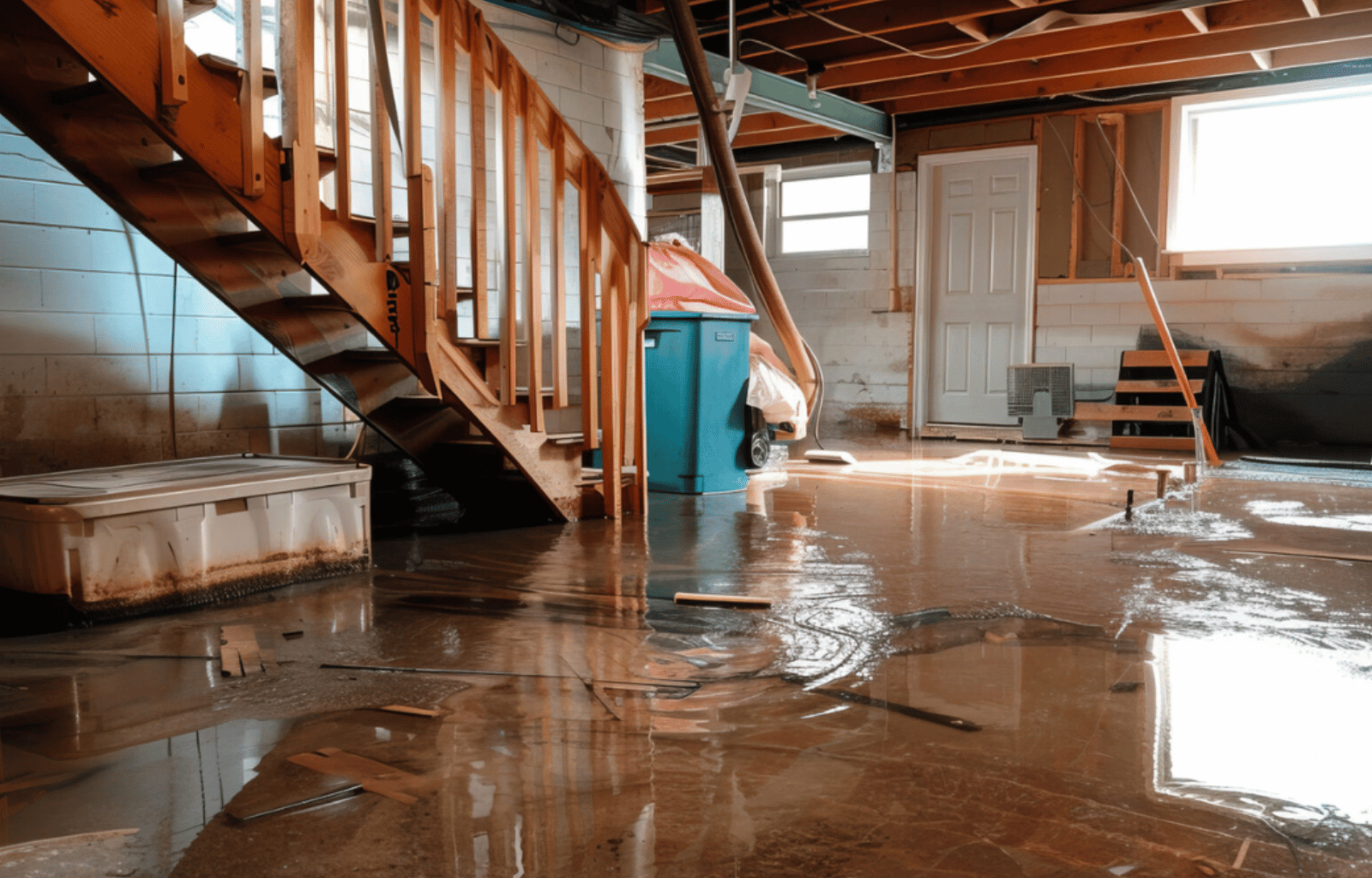
Mold can begin growing within 24 to 48 hours after water damage in Mesa, AZ. Mold spores are present naturally in every home and only need moisture, warmth, and a surface to colonize. Mesa's heat provides ideal temperature conditions year-round. Once mold starts, it spreads rapidly — especially inside walls, under floors, and in hidden cavities where drying equipment can't reach without professional setup.
Key Takeaways
- Mold germination typically begins 24–48 hours after water exposure
- Mesa's warm temperatures year-round accelerate the mold growth timeline
- Mold grows fastest in hidden areas — wall cavities, under flooring, inside insulation
- You may not see mold before you smell it — a musty odor is an early warning sign
- Professional drying within the first 24 hours is the best mold prevention
- A mold risk assessment identifies hidden colonies before they spread
- Once mold is established, remediation is a separate process from restoration
Table of Contents
- The Mold Growth Timeline
- What Mold Needs to Grow
- Where Mold Hides After Water Damage
- Early Warning Signs of Mold in Mesa, AZ
- How to Prevent Mold After Water Damage
- Why This Happens in Mesa, AZ
- What To Do Next
- When To Call a Professional
- FAQ
The Mold Growth Timeline
Mold development follows a predictable pattern when moisture is present:
- 0–24 hours: Mold spores that were already present on surfaces activate in the presence of moisture. No visible growth yet, but colonization has begun.
- 24–48 hours: Spores germinate and begin producing hyphae — the thread-like structures that form the root system of mold colonies. Still largely invisible.
- 48–72 hours: Visible mold patches begin appearing on wet surfaces, especially on drywall, wood, grout, and fabric.
- 1–2 weeks: Mold colonies spread significantly, begin releasing spores into the air, and can affect indoor air quality throughout the home.
This is why the 24-hour window is treated as the critical threshold. If professional drying begins within 24 hours, mold can typically be prevented. After 48 hours, remediation becomes likely.
What Mold Needs to Grow
Mold requires three things:
- Moisture — any wet or damp surface
- Warmth — ideal range is roughly 60–80°F, which describes Mesa's interior conditions for most of the year
- Organic material — drywall paper, wood framing, carpet backing, insulation
Mold does not need standing water. Even a persistently damp wall from a slow leak provides enough moisture to support growth. This is why hidden leaks — especially slab leaks and roof leaks — often result in severe mold by the time they're discovered.
Where Mold Hides After Water Damage
Mold prefers dark, damp, enclosed spaces. After water damage, the highest-risk areas are:
- Inside wall cavities — between drywall and framing
- Under flooring — beneath tile, hardwood, and especially carpet padding
- Inside insulation — particularly batt insulation in walls and attics
- Behind cabinets — kitchen and bathroom vanities where plumbing runs
- Attic spaces — after roof leaks in Mesa's intense monsoon season
Moisture mapping with calibrated meters and thermal imaging is the only reliable way to identify these hidden moisture pockets before they become mold problems.
Early Warning Signs of Mold in Mesa, AZ
Watch for these indicators after any water damage event:
- Musty or earthy smell — often the first sign, even before any visible mold
- Discoloration on walls or ceilings — yellow, brown, or gray staining
- Soft or bubbling drywall — paper face separating from the gypsum core
- Warped or cupping wood floors — indicating prolonged moisture beneath
- Increased allergy symptoms — sneezing, congestion, eye irritation indoors
If you notice any of these signs after water damage — or even without a known event — schedule a mold risk assessment immediately.
How to Prevent Mold After Water Damage
The single most effective mold prevention step is fast, thorough drying. Professional dehumidification and drying removes moisture from structural materials at a rate that household fans and consumer dehumidifiers cannot match.
Additional steps:
- Remove wet materials that cannot be dried (carpet padding, saturated insulation) within the first 24 hours
- Maintain air circulation with professional air movers, not household fans
- Monitor moisture readings daily until all materials reach dry standard readings
- Do not close off rooms during drying — air movement must be continuous
Water damage remediation handles both the drying process and any materials that require removal to prevent mold from taking hold.
Why This Happens in Mesa, AZ
Mesa's climate creates a paradox for mold risk. The desert air is dry — but the interior of a water-damaged wall is not. Mold doesn't care about outdoor humidity; it only needs the microclimate inside a wet wall or under wet flooring.
Mesa's high temperatures — often above 100°F in summer — actually accelerate mold growth inside humid wall cavities. The warm air from outside heats the walls and speeds up biological processes.
Monsoon season adds another layer: intense storms saturate attic spaces, roofing materials, and walls quickly. If a roof leak isn't addressed within 24 hours during monsoon season, mold risk is immediate.
Slab leaks present a chronic mold risk. A pipe leaking slowly under a slab can dampen flooring, baseboards, and wall bottoms for months before detection. By the time the leak is found, mold may be established inside multiple walls.
What To Do Next
If it's been less than 24 hours since water damage occurred, call immediately to begin professional drying. If it's been longer, assume mold risk is elevated and request a mold risk assessment along with your restoration service.
Learn what professional drying looks like: How Do You Dry Out a House After Water Damage in Mesa, AZ?
Learn the signs of water damage you may have missed: What Are Signs of Hidden Water Damage in Mesa, AZ Homes?
When To Call a Professional
Call immediately if:
- It has been more than 24 hours since water damage occurred
- You smell a musty odor anywhere in your home
- You see discoloration, staining, or soft spots on walls or ceilings
- You've had a slow leak that went undetected for any length of time
- You want to confirm mold was not established after a water event
Do not attempt to clean visible mold with household cleaners and consider the problem solved. Surface cleaning may remove visible growth while leaving root systems behind. Professional remediation addresses mold at the structural level.
FAQ
Can mold grow under tile after water damage in Mesa, AZ?
Yes. In Mesa homes — where tile is the most common flooring — water gets under tile quickly through grout lines and seams. The organic materials under tile, including the mortar bed, adhesive, and subfloor, can support mold growth even though the tile surface itself does not. This mold is invisible from above and requires moisture mapping or tile removal to detect.
Can I smell mold before I see it?
Yes, and the musty smell often precedes visible growth. Mold produces volatile organic compounds as it grows, and that earthy or musty odor is one of the first detectable signs. If you smell mold in a room that had water damage — even if you see nothing — treat it as a confirmed mold risk and call for an assessment.
Is all mold dangerous?
Different mold species have different health impacts. All mold can cause respiratory irritation, especially in people with allergies, asthma, or compromised immune systems. Some species — like Stachybotrys, often called black mold — produce mycotoxins that pose more serious health risks. Regardless of type, mold in a home should be assessed and remediated professionally.
Does Arizona's dry climate prevent mold growth?
Outdoor Arizona air is dry, but the interior of a wet wall or under saturated flooring is not. Mold grows in the microclimate of wet building materials — not in response to outdoor humidity. Mesa's heat actually accelerates mold growth once moisture is present indoors.
How do I know if mold is behind my walls after water damage?
The most reliable indicators are a musty smell, soft or discolored drywall, and elevated moisture readings on a professional meter. Thermal imaging can identify temperature anomalies behind walls caused by wet insulation. A mold risk assessment provides a definitive answer.
Can mold grow in air ducts after water damage?
Yes. If water damage affected areas near your HVAC system, or if floodwater reached ductwork, mold can establish inside ducts and be distributed throughout the home every time the system runs. If your water damage was near the air handler or ductwork, mention it during your assessment.
What does mold remediation cost compared to prevention?
Mold remediation — removing established mold colonies from structural materials — is significantly more expensive than prevention through prompt drying. Prevention requires industrial drying equipment started within 24 hours. Remediation may require removing and replacing drywall, flooring, insulation, and framing. Fast action is always the less expensive option.
Call Mesa Water Damage Restoration Today
Water damage in Mesa, AZ creates mold risk within 24 hours. Don't wait to find out if mold is growing inside your walls. Mesa Water Damage Restoration arrives in 25 minutes with full drying and assessment equipment. Call (623) 323-8489 now — available 24/7.
Easy steps to create a color palette
Lorem ipsum dolor sit amet, consectetur adipiscing elit lobortis arcu enim urna adipiscing praesent velit viverra sit semper lorem eu cursus vel hendrerit elementum morbi curabitur etiam nibh justo, lorem aliquet donec sed sit mi dignissim at ante massa mattis.
- Neque sodales ut etiam sit amet nisl purus non tellus orci ac auctor
- Adipiscing elit ut aliquam purus sit amet viverra suspendisse potent
- Mauris commodo quis imperdiet massa tincidunt nunc pulvinar
- Excepteur sint occaecat cupidatat non proident sunt in culpa qui officia
What is a color palette?
Vitae congue eu consequat ac felis placerat vestibulum lectus mauris ultrices cursus sit amet dictum sit amet justo donec enim diam porttitor lacus luctus accumsan tortor posuere praesent tristique magna sit amet purus gravida quis blandit turpis.

Don’t overspend on growth marketing without good retention rates
At risus viverra adipiscing at in tellus integer feugiat nisl pretium fusce id velit ut tortor sagittis orci a scelerisque purus semper eget at lectus urna duis convallis porta nibh venenatis cras sed felis eget neque laoreet suspendisse interdum consectetur libero id faucibus nisl donec pretium vulputate sapien nec sagittis aliquam nunc lobortis mattis aliquam faucibus purus in.
- Neque sodales ut etiam sit amet nisl purus non tellus orci ac auctor
- Adipiscing elit ut aliquam purus sit amet viverra suspendisse potenti
- Mauris commodo quis imperdiet massa tincidunt nunc pulvinar
- Adipiscing elit ut aliquam purus sit amet viverra suspendisse potenti
What’s the ideal customer retention rate?
Nisi quis eleifend quam adipiscing vitae aliquet bibendum enim facilisis gravida neque euismod in pellentesque massa placerat volutpat lacus laoreet non curabitur gravida odio aenean sed adipiscing diam donec adipiscing tristique risus amet est placerat in egestas erat.
“Lorem ipsum dolor sit amet consectetur adipiscing elit, sed do eiusmod tempor incididunt ut labore et dolore magna aliqua enim ad minim veniam.”
Next steps to increase your customer retention
Eget lorem dolor sed viverra ipsum nunc aliquet bibendum felis donec et odio pellentesque diam volutpat commodo sed egestas aliquam sem fringilla ut morbi tincidunt augue interdum velit euismod eu tincidunt tortor aliquam nulla facilisi aenean sed adipiscing diam donec adipiscing ut lectus arcu bibendum at varius vel pharetra nibh venenatis cras sed felis eget.