
Direct Answer
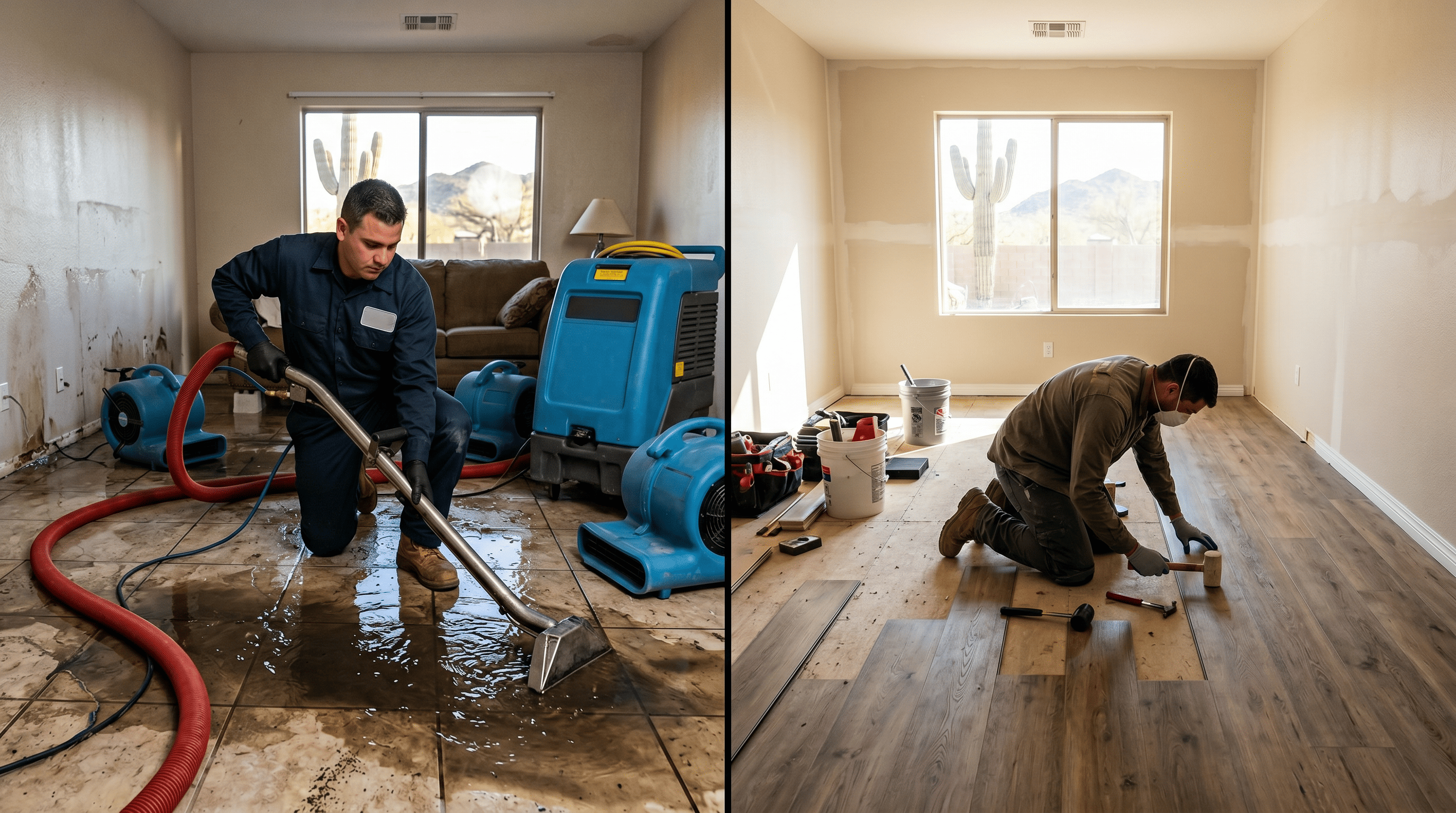
Water mitigation is the emergency phase — stopping the spread of damage, extracting water, and beginning the drying process. Water restoration is the repair phase — replacing damaged materials and returning your home to its pre-loss condition. Mitigation comes first and is time-critical. Restoration follows once the structure is fully dry and the full scope of damage is known. Both are typically covered under homeowners insurance for qualifying events.
Key Takeaways
- Mitigation = stop the damage; Restoration = repair the damage
- Mitigation must happen first — restoration cannot begin on wet materials
- Both phases are typically billed to insurance separately
- In Mesa, AZ, mitigation often begins within 25 minutes of your call
- Drying is part of mitigation — structural materials must reach target moisture levels before rebuild begins
- Not all companies offer both services — Mesa Water Damage Restoration handles both end-to-end
Table of Contents
- What Is Water Mitigation?
- What Is Water Restoration?
- What Is Water Remediation?
- The Order of Operations
- How Long Does Each Phase Take?
- Why This Distinction Matters for Insurance
- Why This Happens in Mesa, AZ
- What To Do Next
- When To Call a Professional
- FAQ
What Is Water Mitigation?
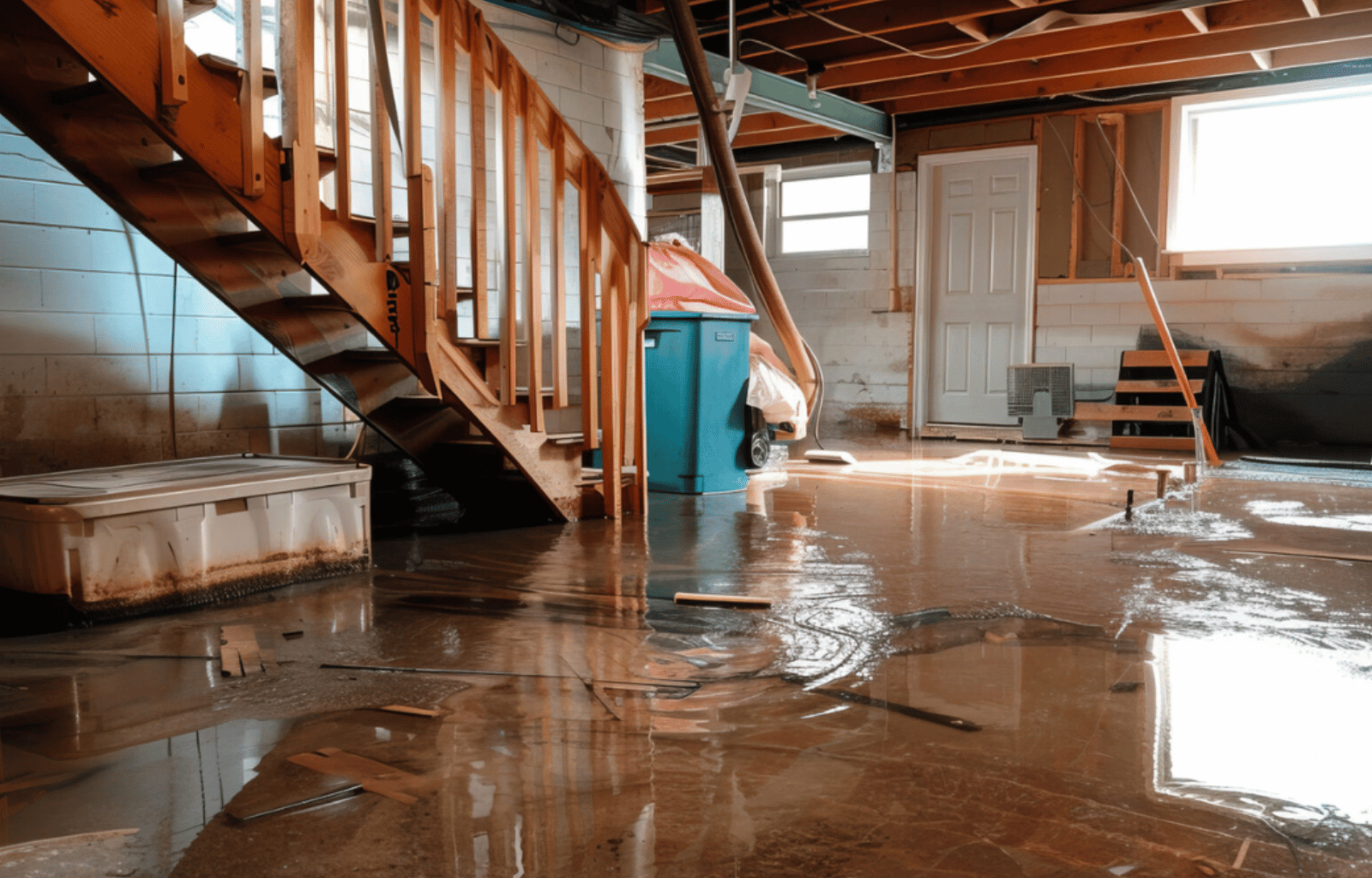
Water mitigation is the immediate response to a water damage event. The goal is to stop the damage from spreading and begin the process of drying affected materials. Mitigation includes:
- Water extraction — removing standing water with industrial wet-vacs and pumps
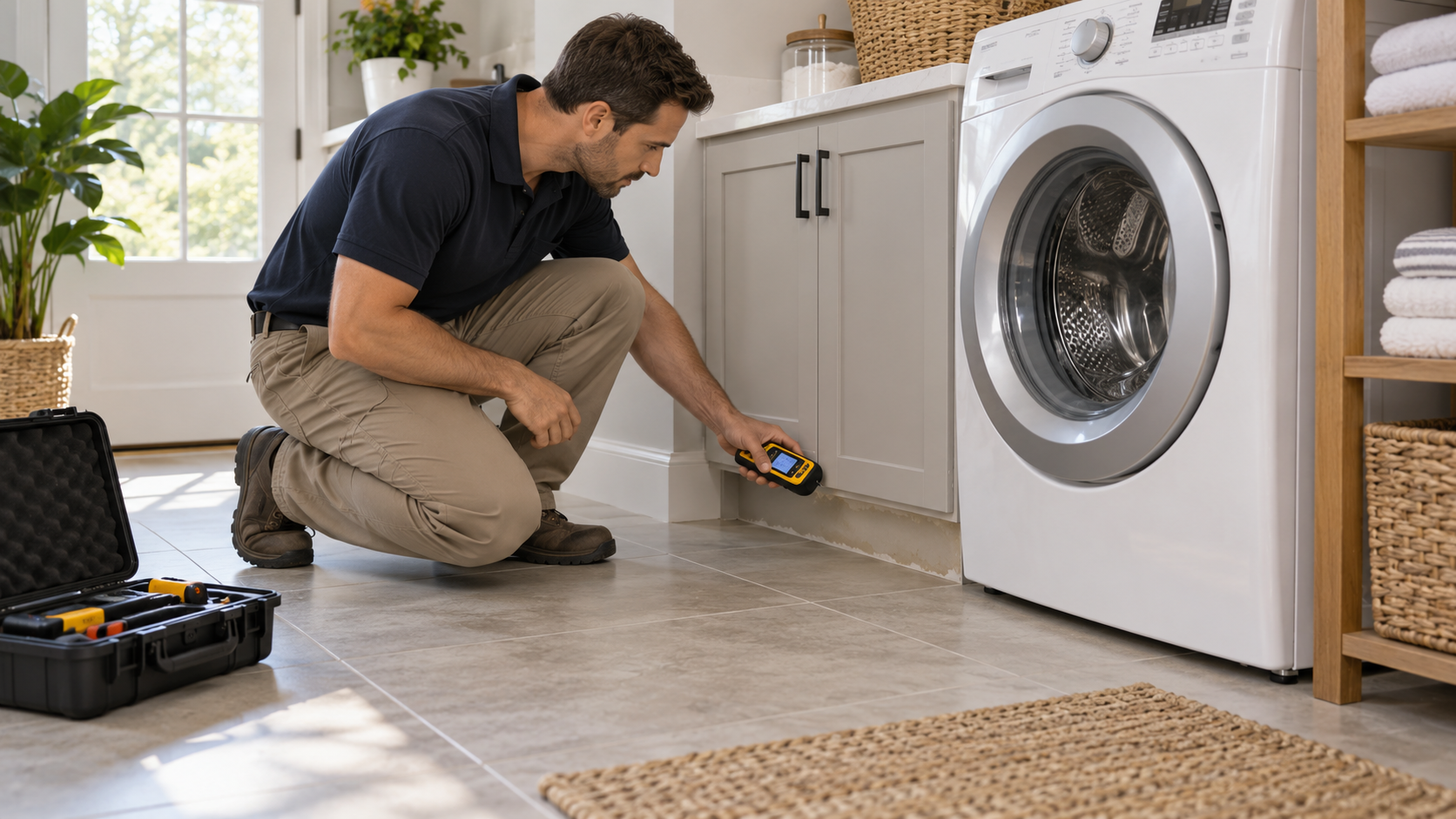
- Moisture mapping — identifying all areas of water infiltration, including hidden pockets
- Material removal — removing unsalvageable materials (saturated carpet, soaked drywall) that could delay drying or harbor mold
- Structural drying — placing industrial air movers and dehumidifiers to dry structural components
- Containment — isolating affected areas to prevent moisture from spreading to clean spaces
Water damage mitigation is an emergency service that should begin within hours of a water event — ideally within the first 24 hours.
What Is Water Restoration?
Water restoration is the rebuild phase. Once all affected materials are fully dried and verified with moisture meters, restoration begins. This phase includes:
- Installing new drywall and insulation to replace removed sections
- Refinishing or replacing flooring (hardwood, tile, carpet)
- Painting and trim work
- Repairing or replacing cabinets and fixtures
- Any structural repairs identified during mitigation
Water damage restoration returns your home to its pre-loss condition — looking and functioning exactly as it did before the event.
Restoration cannot begin safely on wet materials. Starting too soon leads to mold growth behind new drywall and under new flooring.
What Is Water Remediation?
Remediation sits between mitigation and restoration. It refers specifically to removing and treating materials that are contaminated, moldy, or structurally compromised. If mold has established after a water event, remediation addresses the biological contamination before restoration rebuilds the structure.
Water damage remediation is a specialized process that involves containment of mold-affected areas, HEPA filtration of air, and safe removal of affected materials.
Not every water damage event requires remediation — if mitigation begins quickly enough and mold never establishes, remediation may not be needed.
The Order of Operations
- Emergency call — contact Mesa Water Damage Restoration
- Mitigation — extract water, map moisture, begin structural drying
- Assessment — identify all damage, prepare insurance documentation
- Remediation (if needed) — remove contaminated or mold-affected materials
- Drying verification — confirm all materials have reached target moisture levels
- Restoration — rebuild, repair, and return your home to pre-loss condition
Each phase must be complete before the next begins. Skipping ahead causes problems — particularly starting restoration before drying is verified.
How Long Does Each Phase Take?
Mitigation: Begins within 25 minutes of your call. Equipment setup takes a few hours. The mitigation process is complete when standing water is removed and equipment is running.
Drying: Industrial drying typically takes 3–5 days for most residential events. Concrete slabs and larger structures may take longer. Equipment stays in place and is monitored with moisture readings daily.
Remediation: If required, remediation timing depends on the extent of mold involvement — typically days to a week.
Restoration: Timelines vary by scope. Minor repairs may take a day; full room rebuilds can take several weeks, especially if flooring materials need to be sourced.
Learn more about the drying process: How Do You Dry Out a House After Water Damage in Mesa, AZ?
Why This Distinction Matters for Insurance
Insurance companies treat mitigation and restoration as separate line items. Mitigation costs are typically covered under emergency response, while restoration is covered under dwelling repair. Understanding this helps you know what to expect when reviewing your settlement.
Dehumidification and drying equipment is typically billed separately from reconstruction labor and materials. Mesa Water Damage Restoration provides itemized documentation for both phases so your adjuster has exactly what they need.
Why This Happens in Mesa, AZ
Mesa homeowners often encounter water damage scenarios that span both phases:
- Slab leaks require mitigation (stopping and drying) and often extensive restoration (floor replacement across large areas)
- Monsoon roof leaks may require mitigation for the water intrusion, remediation if mold establishes in the attic, and restoration to replace insulation, drywall, and ceiling finishes
- Appliance failures typically require targeted mitigation followed by localized restoration of kitchen or laundry room finishes
Understanding that these are sequential, not simultaneous, processes helps set accurate expectations for timelines and costs.
What To Do Next
If you're in an active water damage situation, start with mitigation — call Mesa Water Damage Restoration at (623) 323-8489. If you've already had mitigation performed by another company and need restoration work to begin, we can assess and pick up from where drying ended.
For guidance on the immediate response, see What Should I Do Immediately After Water Damage in Mesa, AZ?.
For guidance on what can actually be saved versus replaced, see Can Water Damage Be Repaired Without Replacement in Mesa, AZ?
When To Call a Professional
Call immediately for mitigation — delays cost money and increase the scope of restoration needed. Call for a restoration assessment once drying is verified. Do not call a general contractor to start repairs until moisture readings confirm structural materials are fully dry.
FAQ
Can I do water mitigation myself in Mesa, AZ?
You can remove standing water with towels and a wet-vac for very minor spills. For anything significant, professional mitigation is necessary. The drying phase especially requires industrial equipment to properly dry wall cavities, subfloors, and insulation. DIY mitigation often misses hidden moisture and leads to mold, which becomes a much larger and more expensive problem.
Does insurance cover both mitigation and restoration?
Yes, for qualifying events (sudden and accidental damage). Mitigation and restoration are typically covered as separate line items. Your insurer pays for the emergency response (mitigation) and the repairs (restoration) separately. Mesa Water Damage Restoration provides itemized billing for both phases.
What if I only need mitigation and not restoration?
If the water event was minor and caught quickly, it's possible that full structural drying is all that's needed — no materials require removal or replacement. Our technicians will tell you honestly whether restoration work is necessary based on actual damage assessment.
Who does both mitigation and restoration in Mesa, AZ?
Mesa Water Damage Restoration handles both phases end-to-end. Many companies specialize in only one or the other, which can lead to coordination problems and gaps in documentation. We manage the entire process from emergency response through final repairs.
What happens if restoration starts before drying is complete?
Installing new drywall or flooring over materials that still have elevated moisture creates a perfect mold environment — sealed, warm, and damp. This is one of the most common causes of secondary mold problems after water damage. Always confirm drying is complete with professional moisture readings before starting restoration.
Is remediation always required after water damage?
No. Remediation is specifically needed when mold has established or when contaminated materials (sewage-exposed, for example) need removal and treatment. For clean water events caught within 24 hours and properly dried, remediation may not be necessary at all. A professional assessment determines the scope.
Call Mesa Water Damage Restoration Today
Water damage in Mesa, AZ? Start with mitigation — right now. Mesa Water Damage Restoration handles everything from emergency extraction through final repairs. We arrive within 25 minutes and bill insurance directly. Call (623) 323-8489 — available 24/7.
Easy steps to create a color palette
Lorem ipsum dolor sit amet, consectetur adipiscing elit lobortis arcu enim urna adipiscing praesent velit viverra sit semper lorem eu cursus vel hendrerit elementum morbi curabitur etiam nibh justo, lorem aliquet donec sed sit mi dignissim at ante massa mattis.
- Neque sodales ut etiam sit amet nisl purus non tellus orci ac auctor
- Adipiscing elit ut aliquam purus sit amet viverra suspendisse potent
- Mauris commodo quis imperdiet massa tincidunt nunc pulvinar
- Excepteur sint occaecat cupidatat non proident sunt in culpa qui officia
What is a color palette?
Vitae congue eu consequat ac felis placerat vestibulum lectus mauris ultrices cursus sit amet dictum sit amet justo donec enim diam porttitor lacus luctus accumsan tortor posuere praesent tristique magna sit amet purus gravida quis blandit turpis.
Don’t overspend on growth marketing without good retention rates
At risus viverra adipiscing at in tellus integer feugiat nisl pretium fusce id velit ut tortor sagittis orci a scelerisque purus semper eget at lectus urna duis convallis porta nibh venenatis cras sed felis eget neque laoreet suspendisse interdum consectetur libero id faucibus nisl donec pretium vulputate sapien nec sagittis aliquam nunc lobortis mattis aliquam faucibus purus in.
- Neque sodales ut etiam sit amet nisl purus non tellus orci ac auctor
- Adipiscing elit ut aliquam purus sit amet viverra suspendisse potenti
- Mauris commodo quis imperdiet massa tincidunt nunc pulvinar
- Adipiscing elit ut aliquam purus sit amet viverra suspendisse potenti
What’s the ideal customer retention rate?
Nisi quis eleifend quam adipiscing vitae aliquet bibendum enim facilisis gravida neque euismod in pellentesque massa placerat volutpat lacus laoreet non curabitur gravida odio aenean sed adipiscing diam donec adipiscing tristique risus amet est placerat in egestas erat.
“Lorem ipsum dolor sit amet consectetur adipiscing elit, sed do eiusmod tempor incididunt ut labore et dolore magna aliqua enim ad minim veniam.”
Next steps to increase your customer retention
Eget lorem dolor sed viverra ipsum nunc aliquet bibendum felis donec et odio pellentesque diam volutpat commodo sed egestas aliquam sem fringilla ut morbi tincidunt augue interdum velit euismod eu tincidunt tortor aliquam nulla facilisi aenean sed adipiscing diam donec adipiscing ut lectus arcu bibendum at varius vel pharetra nibh venenatis cras sed felis eget.